


Understanding Obesity and Its Causes!
Obesity, a widespread health issue, emerges when the balance between calorie intake and expenditure is disrupted. A combination of factors contributes to this condition, encompassing genetic predisposition, inadequate dietary habits, a sedentary lifestyle, and metabolic influences.
Body Mass Index (BMI), a fundamental metric in gauging body composition, quantifies the relationship between an individual’s height and weight, serving as a crucial tool to assess the extent of body fat. By understanding these factors and monitoring BMI, individuals can make informed choices to address and manage obesity for improved overall health.

Causes of Obesity
Obesity is a multifactorial condition influenced by various factors, including:
- Genetics: Family history and genetics can play a significant role in determining an individual's susceptibility to obesity.
- Lifestyle Factors: Poor dietary habits, lack of physical activity, and sedentary lifestyles contribute significantly to obesity
- Environmental Factors: Access to unhealthy foods, socioeconomic status, and cultural norms can impact obesity rates
- Medical Conditions: Certain medical conditions and medications can predispose individuals to weight gain and obesity
Understanding the Risks of Obesity
Obesity is a complex medical condition that goes beyond just carrying excess weight. It poses significant risks to both physical and mental health, often leading to a range of serious complications. Understanding the dangers associated with obesity is crucial for taking proactive steps towards better health. Let's delve into the various risks associated with obesity:
-
1. Cardiovascular Diseases
Obesity significantly increases the risk of developing cardiovascular diseases, including read more..
Heart Disease :
Obesity is a major risk factor for coronary artery disease, heart attacks, and congestive heart failure.
High Blood Pressure :
Excess weight strains the heart and blood vessels, leading to hypertension, a leading cause of strokes and heart attacks.
Stroke:
Obesity raises the risk of ischemic strokes caused by blood clots and hemorrhagic strokes due to weakened blood vessels. -
2. Type 2 Diabetes
Obesity is strongly associated with insulin resistance and the development of type 2 diabetes. read more..
The excess fat, particularly around the abdomen, disrupts insulin signaling, leading to elevated blood sugar levels. Uncontrolled diabetes can result in complications such as nerve damage, kidney disease, vision problems, and an increased risk of heart disease. -
3. Respiratory Disorders
Obesity can impair lung function and increase the risk of respiratory conditions such as: read more..
Obstructive Sleep Apnea :
Excess fat around the neck can obstruct the airway during sleep, leading to pauses in breathing and poor sleep quality
Asthma :
Obesity is linked to the development and worsening of asthma symptoms due to inflammation and reduced lung capacity.
-
4. Joint Problems
Carrying excess weight puts strain on the joints, leading to: read more..
Osteoarthritis :
Obesity is a major risk factor for osteoarthritis, particularly in weight bearing joints such as the knees, hips, and lower back. The wear and tear on cartilage can cause pain, stiffness, and reduced mobility
Back Pain :
Obesity increases the risk of chronic back pain, as the spine is forced to support additional weight, leading to strain and compression of spinal discs
-
5. Cancer
Obesity is associated with an increased risk of several types of cancer, including: read more..
Breast Cancer :
Postmenopausal women who are obese have a higher risk of developing breast cancer.
Colorectal Cancer :
Obesity is linked to an elevated risk of colorectal cancer, particularly in men
Endometrial Cancer :
Obesity is a significant risk factor for endometrial cancer due to hormonal imbalances associated with excess body fat.
-
6. Mental Health Disorders
Obesity can have a profound impact on mental wellbeing, leading to : read more..
Depression and Anxiety :
The stigma and discrimination associated with obesity can contribute to depression, anxiety, and low self-esteem.
Eating Disorders :
Obesity can coexist with eating disorders such as binge eating disorder, where individuals may use food as a coping mechanism for emotional distress
Why You Should Avoid Unhealthy Weight Loss Methods?
Consequences

Deficiencies
Metabolism
Mental Health Problems
Healthy Weight Loss Methods: Surgical and Non-Surgical Approaches
Achieving and maintaining a healthy weight is essential for overall well-being. While weight loss journeys vary from person to person, there are numerous safe and effective methods available, both surgical and nonsurgical. Here, we explore different approaches to healthy weight loss:




THE BEST WEIGHT-LOSS OPTION FOR YOU
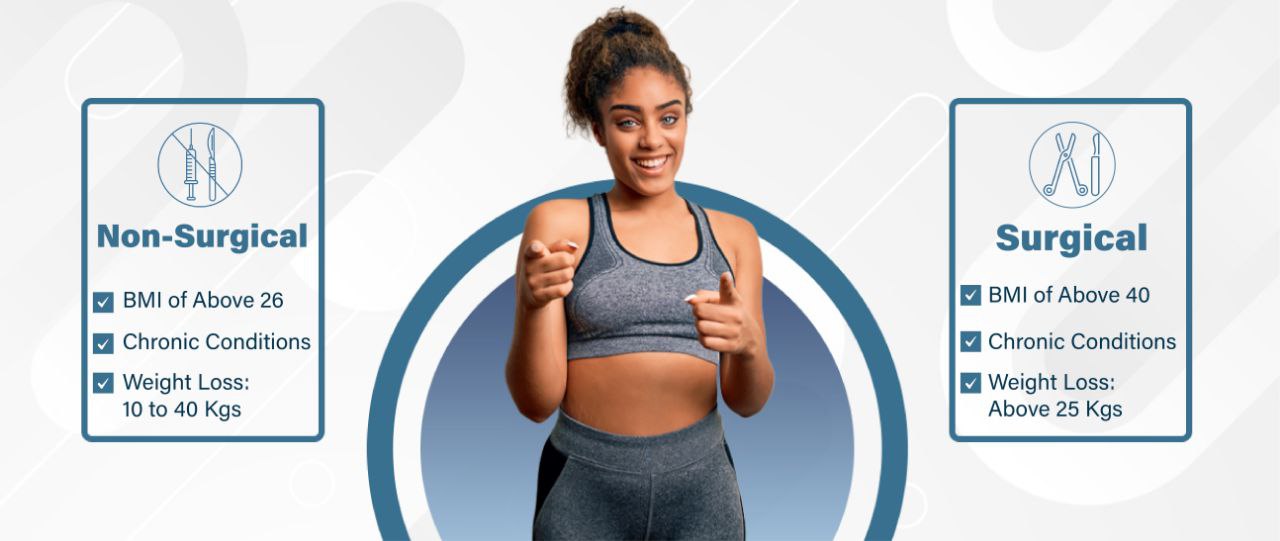
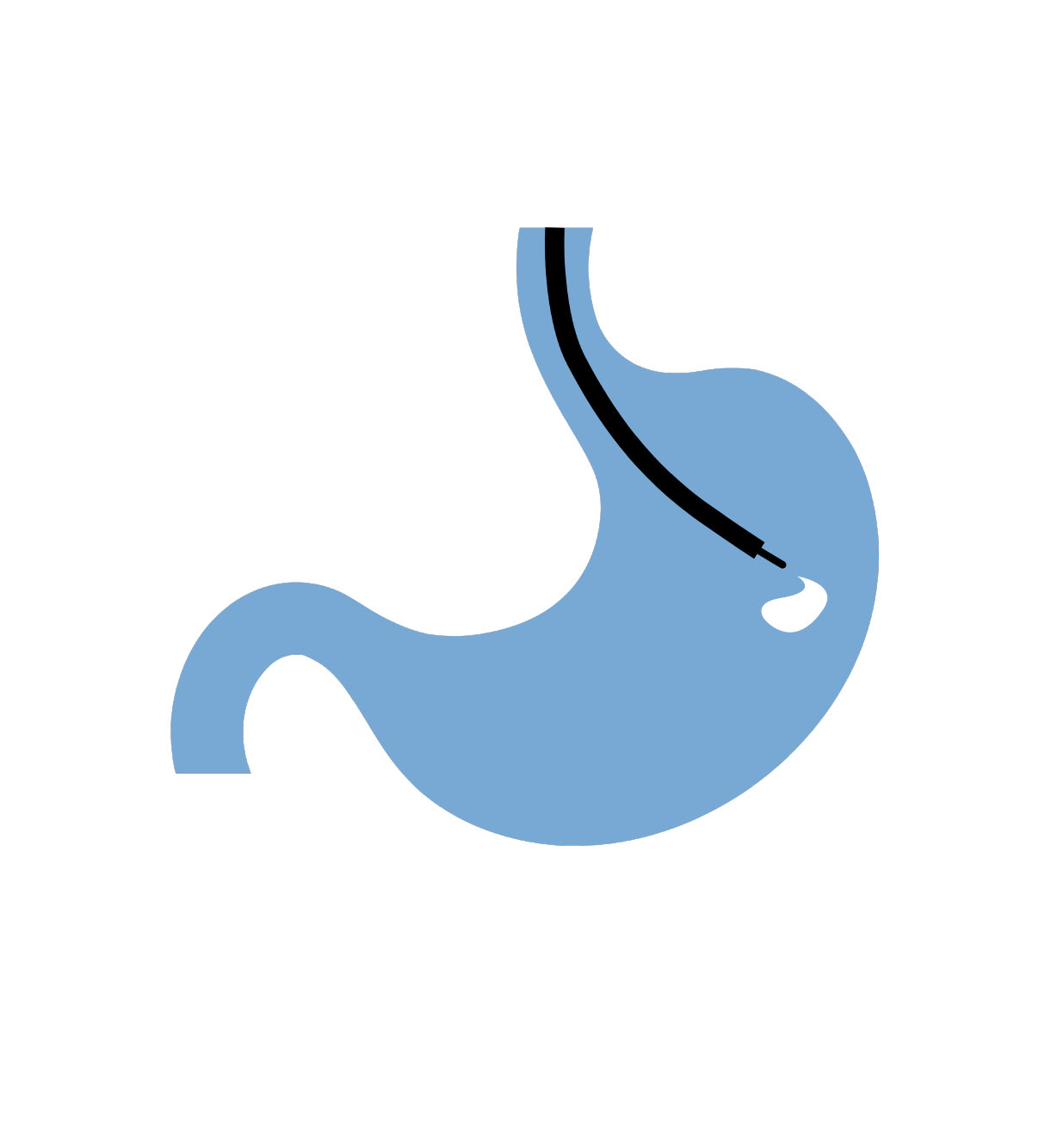
Non - Surgical
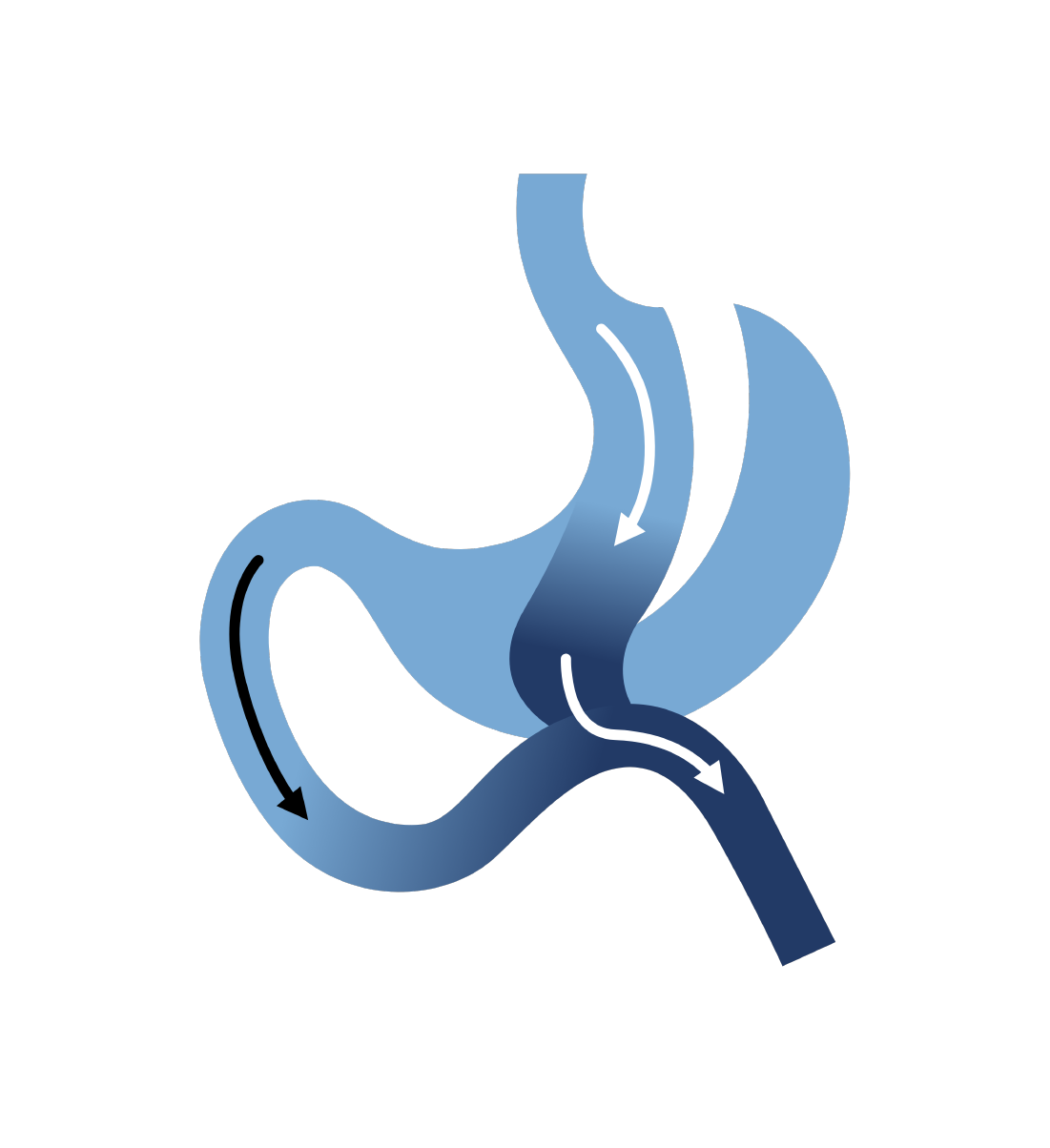
Surgical






Why Choose Halcyon

Comprehensive Approach
Experience a transformative journey with holistic programs, integrating customized meal plans, targeted fitness routines, and behaviour modification strategies for sustained well-being and optimal health.

Cutting Edge Technology
Harness the power of advanced tools and technologies to precisely track your progress, optimize workouts, and achieve efficient fat loss, ensuring a data-driven and results-focused approach.

Proven Results
Witness real-life success stories as testimonials to our commitment, showcasing significant weight loss transformations achieved through our dedicated programs and unwavering support system.

Successful Surgeries

Patients Treated

241 Medications (Everyday)